Eggs come from chickens,
Hot dogs from doggies,
Pork comes from pigs,
And frog legs from froggies.

Cows give us milk.
That knowledge is common.
Did you know you can get it
from goats, yaks, and almonds?
That last one's surprising,
since nuts don't have udders.
How does that work?
I dunno. Ask your mother.

Bread comes from wheat
and candy from heaven.
Beans come from cans,
I know 'cause I'm seven.

Juice comes from most things,
if squeezed really hard.
You can juice fruits and veggies,
and mushrooms and lard.
Squeeze orange for orange juice.
For root beer, squeeze roots.
Squish kids for kid juice.
Get sock juice from boots.

Hairballs from cats.
Buttons from bellies.
Peanuts make butter,
And jellyfish, jelly.

All of these things,
I get where they come from.
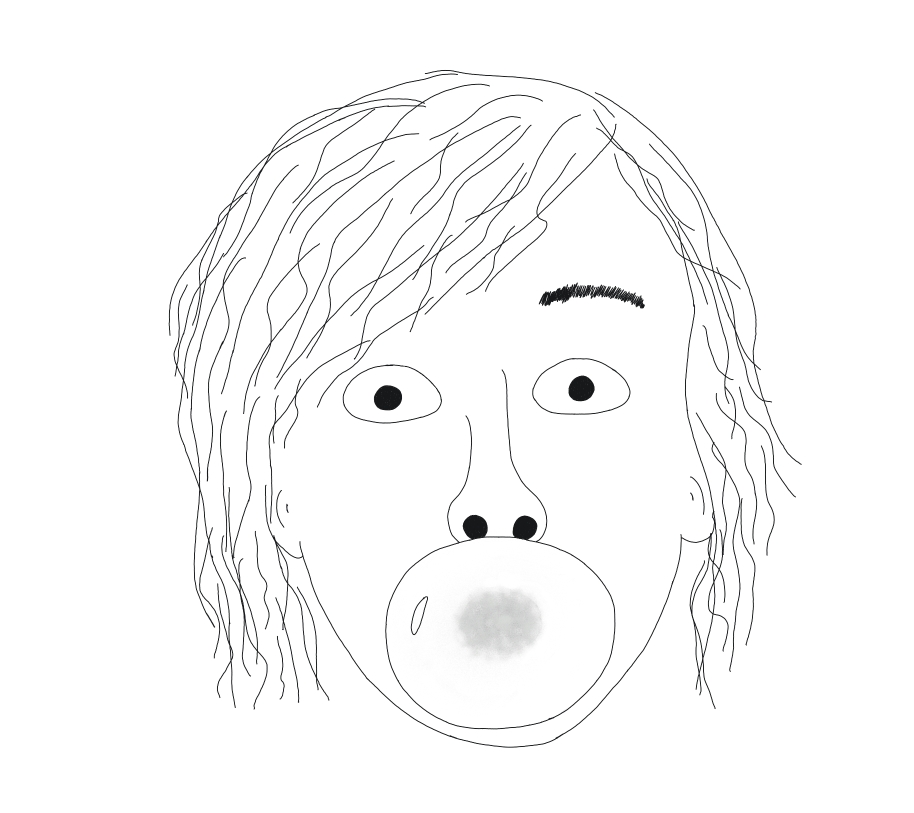
But where did you get
That old piece of gum?

-B.C. Byron
This poem reminds us that it can be surprising to learn where things come from, especially the foods we eat. For example, I was surprised to learn recently that peanuts grow underground and have to be dug up like potatoes. I had always thought they grew on trees. My brother-in-law grew up on a farm in Africa where peanuts were common crops and told me about this at a dinner party just this year. It’s good to know where our food comes from and feel connected with the work it takes to grow it. Those bean cans don’t plant themselves, and those jellyfish have to be milked every morning if you want jelly to go on your toast.
My brother once had a lot of fun explaining to some out-of-towners that the potatoes he was digging up in a field were actually real and they don’t grow on trees. Having grown up near farms in Idaho, we took it for granted that everyone knew that. I couldn’t imagine a tree that could hold the giant potatoes that we grow in Idaho. These drive-by visitors seemed to think that my brother spent all his time preparing tricks to play on people who happened to be driving by a field in the middle of nowhere. Odd idea considering that the entire 100 acre field he stood in had the same kind of plants all throughout and my brother dug up more than one plant to show them. That would be quite a commitment for one tiny prank.
Another thing we learn from this poem – don’t just pick up random pieces of used gum and chew it. Be choosy about which tables you pry it from. I personally prefer used gum from picnic tables at the park.

 Home of B.C. Byron